How to Shoot a Shotgun
It can be as simple as pointing a finger
Phil Bourjaily
• 11 min read
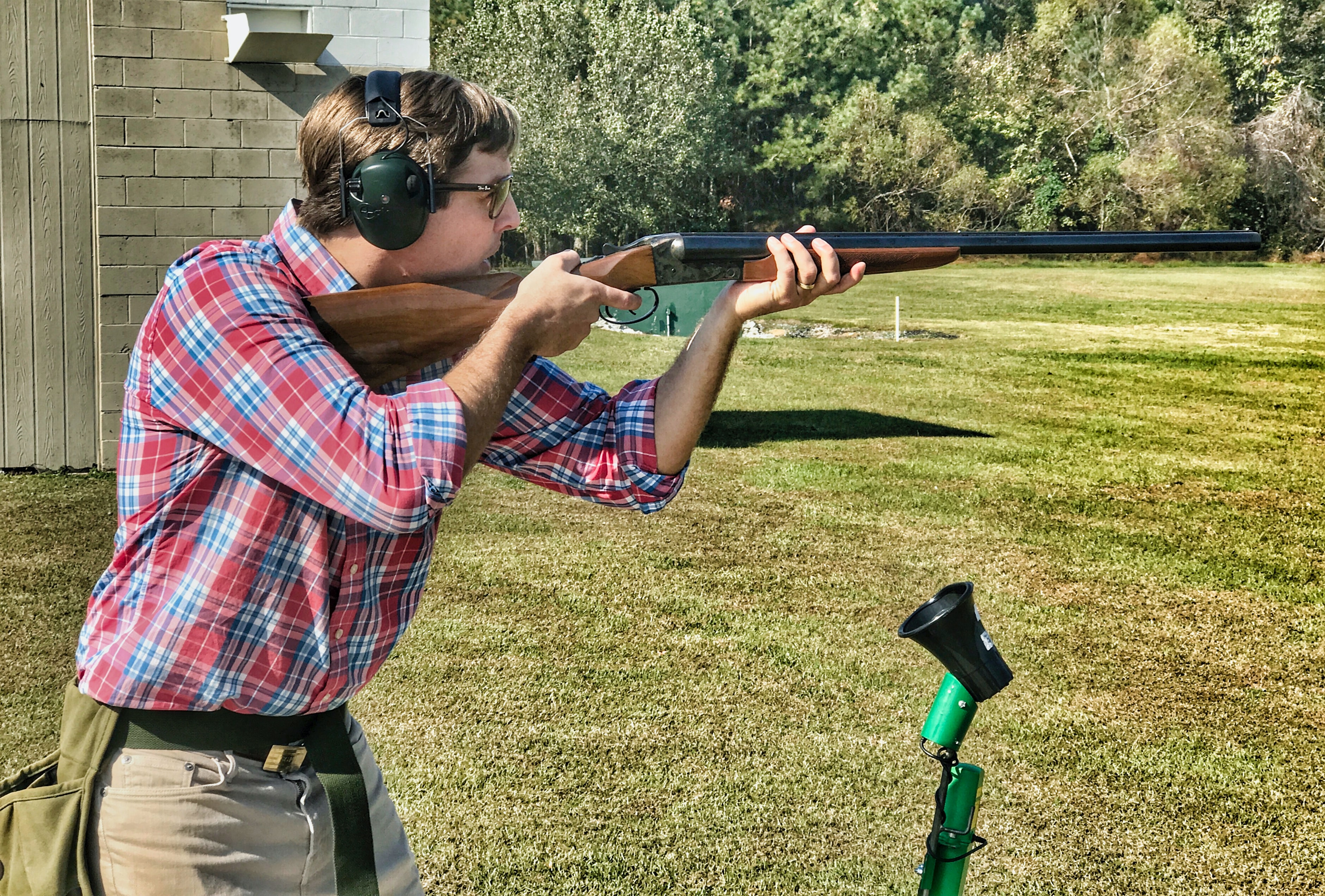
Unlike a rifle that sends a single bullet, a shotgun fires an expanding swarm of pellets that may be 20 or 30 inches across at the range at which you’ll shoot a bird or a target. Therefore, you don’t aim a shotgun—you point the gun and swat the target out of the air. Shotgun shooting is a magic trick of hand-eye coordination that relies on your vision and your subconscious mind to hit what you’re looking at instinctively. It’s also a lot of fun. Here’s how to start.
Test for Dominance
Shooting with one eye is like running a race by hopping on one foot. You can do it, but it’s a lot easier if you use two. Flying targets appear bigger and slower when you look at them through both eyes. There are some very good one-eyed shooters, but most of the best shotgunners keep two eyes open, and you should try, too.
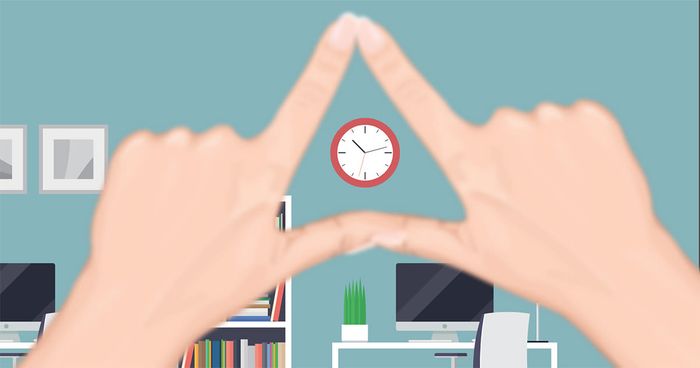
For two-eyed shooting to work, you have to shoot from your dominant eye side, which may or may not be the same as your dominant hand side. Here’s an easy test to determine your dominant eye: Hold both hands at arm’s length, palms facing forward. Put your hands together so they overlap and leave a small triangular opening about an inch per side with your thumbs forming the base.
With both eyes open, frame an object in that opening. Close one eye. If the object remains in sight, the eye that’s open is your dominant eye. If it disappears, you’ve closed your dominant eye.
If at all possible—and it’s easier than you think it will be if you’ve never shot a shotgun before—learn to shoot from your dominant eye side, even if it’s not your dominant hand side.
Holding a Shotgun
Holding a shotgun starts with a stance that lets you turn your body freely to the right and left. Your feet should be about shoulder-width (or a little less) apart. Take a very short step forward with your left foot, if you’re shooting right-handed. About 60 percent of your weight goes on that front foot, and your nose is over your front toes. Your knees are neither bent nor locked. Relax.
Put your trigger hand flat on the side of the stock and slide it forward to the grip. Cup your front hand and set the forend of the gun in it diagonally, running down your extended index finger and the life line on your palm. That extended index finger now lies parallel to the barrel as a pointing aid.
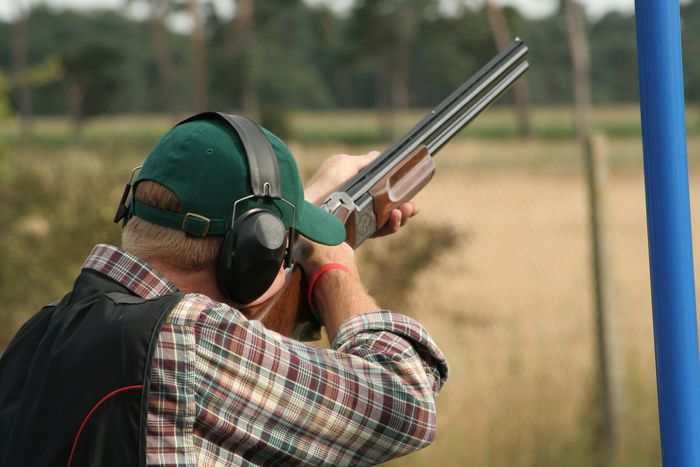
Raise the elbow of your shooting hand to almost 90 degrees so it enlarges the pocket inside your shoulder where you can set the butt of the gun with the top just below your collarbone. Placing the butt in that pocket lets your whole body absorb recoil. The top of the stock, called the “comb,” fits just under your cheekbone. Your head should be upright and forward, not tilted over the stock. Hold the gun firmly without squeezing. If you shut one eye and look down the barrel, you should see flat down the barrel with just the bead sticking up. If the gun has two beads, they should be lined up or the front bead should sit atop the middle bead. If that’s what you see, the gun will shoot where you look. Open your off-side eye and tell yourself to never look at those beads again. You’re ready to shoot a target.
Make the Shot
Most people take their first shots at a clay target flying away from them from a hand trap, so we’ll assume that here. Mount the gun. Think of pushing the muzzle out and lifting the stock to your face first without moving your head. The gun mount becomes a very important skill if you plan to hunt. It’s less relevant to clay sports, where you start with a mounted gun.
Set the butt snugly in your shoulder pocket. Check the beads if you’d like to be sure your head is in the right spot, then take your eyes off of them and look into the distance. Yes, you will see two barrels right now if you have both eyes open. The more you can focus on the target, and focus on pointing with that index finger instead of aiming, the less of a problem you’ll have with the double image. The more you shoot, the less you will notice that second “ghost” barrel. I hardly see it anymore.
Try your first shot with an unloaded gun. See the target, point the gun, say “bang.” Neither rush nor dawdle nor double-check. Trust your eyes and hands. Point and shoot.
Now it’s time to go live. Keep your finger off the trigger until you’re ready to shoot. See the bird first, then move the gun to it. Pull the trigger and keep your head on the stock until after the shot. Lifting your head makes you miss over the top. In fact, the phrase “eye on the target, head on the stock” covers 90 percent of shooting a shotgun. Do that, and the clays will explode and you will likely be hooked on shotgun shooting forever.
Once you get the hang of shooting targets going straight away from you, move on to quartering and crossing birds. Now you’ll have to move the gun and shoot in front of moving targets. The easiest way to do this is to swing the gun along the target’s line of flight from behind, catch it, and shoot as the gun passes in front.
Points to Remember
- Move in time with the target, just fast enough to catch and pass it.
- Keep the gun just below the bird, so you always have it in sight.
- Look at the target, not the gun, which can be a challenge when the gun has to point in front of the bird. Your eyes and hands will figure out the lead if you let them. Shooting a shotgun is only hard if you do it wrong. Do it right, and it’s as easy as pointing a finger.
Stay Safe! Always obey the rules of gun safety.
FAQs
Q: What are shotgun chokes?
A: Choke is the constriction at the muzzle that affects the spread of a shot pattern. Most modern guns have interchangeable choke tubes, but many older guns have fixed chokes. In the very simplest of terms, think of them like a hose nozzle. The tighter you make the nozzle, the smaller the stream of water. Open the nozzle up, and you get a wide spray. Chokes are named either for their amount of constriction in thousandths of an inch or by the following names, from most open to tightest: Cylinder Bore, Skeet, Improved Cylinder, Modified, Improved Modified, and Full. Open chokes, such as Improved Cylinder, are good for learning to shoot and for the games of Skeet and Sporting Clays as well as for upland bird and dove hunting. Tighter chokes—such as Modified, Improved Modified, and Full—work best for the game of Trap and for waterfowl hunting.
Q: What ammunition should I use?
A: Five numbers printed on a box of ammunition will guide you.
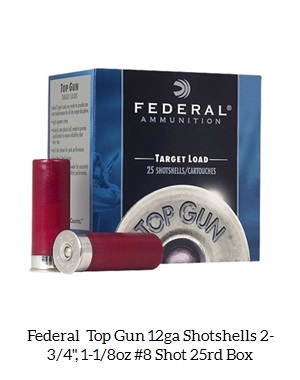
- Gauge should match your gun. If your gun is a 12 gauge, it shoots 12-gauge ammunition, and so on.
- Chamber length refers to the length of the section of the barrel where the shell fits. You can shoot shells shorter than the chamber length stamped on your gun barrel, but not longer. For target shooting, choose 2 3/4-inch shells in all gauges. The .410 shoots 2 1/2-inch shells.
- Payload weight is the weight of the pellets in the shell. Heavier payloads mean more recoil. Target loads contain no more than 1 1/8 ounces of shot, and a payload of an ounce or 7/8 ounce in a 12 gauge will break targets fine and kick less.
- As for shot size, bigger numbers mean smaller pellets, and more of them to the ounce. Gun clubs permit sizes 7 1/2 and smaller for safety reasons. In addition, 7 1/2 and 8 shot are good all-round choices. Nine is used for the game of Skeet.
- Velocity is the speed at which shot leaves the muzzle. Faster pellets hit harder but kick more. Slower pellets (around 1,100 to 1,200 feet per second) are softer-kicking and effective.
Q: What shotgun should I buy?
A: You should buy the best gun you can afford. It will last two or three lifetimes.
The most versatile shotgun for hunting and clays is a gas-operated semi-automatic. The gas operation reduces recoil noticeably over other designs, and there is no need to cycle the gun between shots for doubles. A 12 gauge or 20 gauge with a 3-inch chamber can handle almost any type of shotgunning.
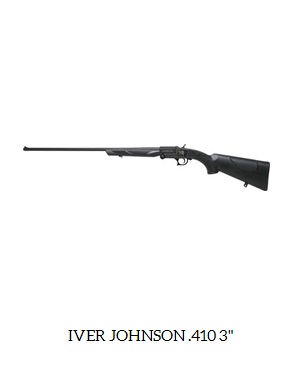
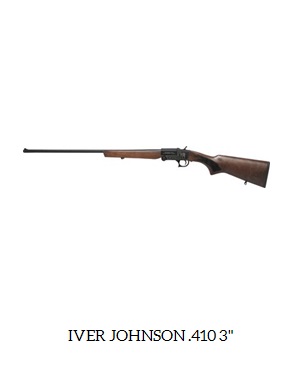
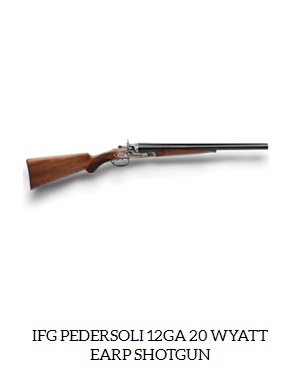
Be sure the gun fits you. For now, that primarily means being sure the stock is the right length. Many guns made these days come with spacers that permit you to adjust them for length. The best test is to mount the gun and be sure there are two finger-widths between your nose and the thumb knuckle of your trigger hand. Guns with wood stocks can be lengthened or shortened by a gunsmith.
The lightest gun is not necessarily the best gun for you. Heavier guns are easier to shoot well, and the more a gun weighs, the more recoil it soaks up. Light weight is only an advantage if you will be hunting upland birds and carrying the gun on long walks.


