A Beginner’s Guide to Firearm Accessories
You don’t need a hogshead of gear to get started
Brad Fitzpatrick
• 11 min read
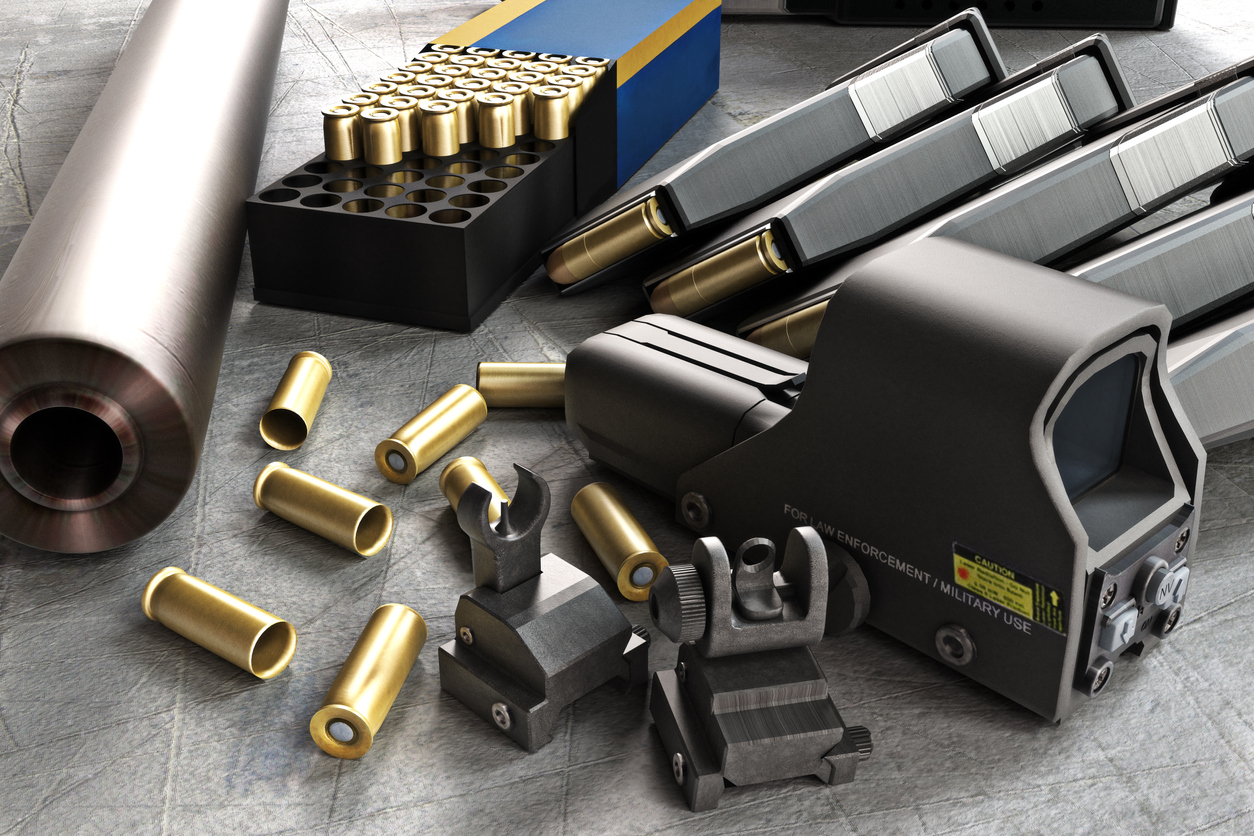
Firearm ownership is on the rise, and the millions of new gun owners in America need to know which accessories are necessary to operate and maintain their new handgun, shotgun, or rifle. While there are lots of optional accessories that shooters may want to purchase down the road, this article will focus on the basics—the tools you need now to get the most out of your new gun. To further simplify the process, we’ve broken this beginner’s guide into different firearm types.
Handguns
Handguns are the best-selling firearms in America, and modern pistols and revolvers are robust machines that require minimal maintenance. You will, however, need a gun-cleaning kit that includes gun-cleaning/lubricating oil, a soft cleaning rag, and cleaning rods.


Field stripping most modern semi-automatic pistols is simple and straightforward—revolvers are even simpler. Check your owner’s manual for instructions.
You’ll also need eye and ear protection. Whenever you head to the range, be sure to pack these items because they can prevent permanent damage to your hearing and vision. Target shooting is, statistically speaking, a very safe sport, but don’t take any risks. Always wear your hearing and eye protection.
The next step is to find ammo that matches your firearm. It’s easier to find ammunition for such popular calibers as 9mm, 357 Magnum, or 22 LR, but if you have any questions about matching your handgun to the appropriate ammo, ask a firearm professional for help. Most handgun owners purchase separate practice and defense ammunition. Practice ammunition is loaded with more affordable components and therefore costs less (a major concern when you’re shooting hundreds of rounds a month). Defensive ammunition is generally more expensive because it uses premium personal-defense bullets, nickel-plated cases, and other high-end components to ensure these loads work properly when your life is on the line.
Purchase bright, highly visible targets as well. Waterproof targets can withstand a soaking, but they tend to be more expensive than traditional paper targets.
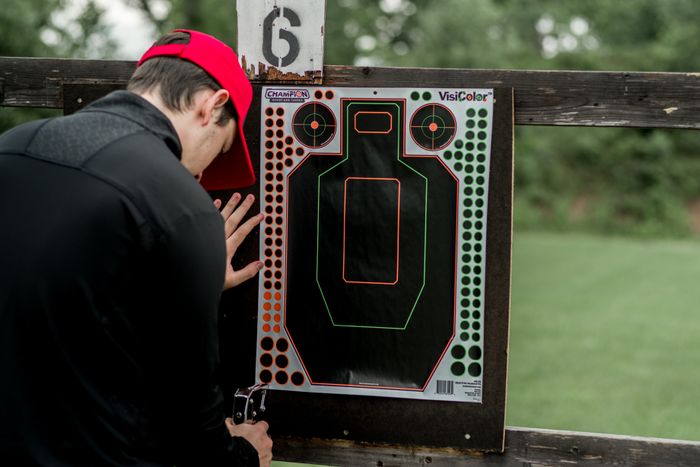
Owning a handgun means you need to keep it secured, so you’ll want a safe way to store the firearm in the home. A keyed lock will work, and these usually ship with the firearm. A small gun safe that you can secure in the home that provides rapid access to the firearm is a better option if your budget allows, and you’ll need a holster for carrying the firearm concealed or at the range.
IWB (inside the waistband) holsters make it easy to conceal your firearm under light clothing. OWB (outside the waistband) holsters are more convenient and comfortable, but they don’t offer the same level of concealment as IWB models. Durable Kydex holsters are popular because they are lightweight, tough, and affordable, but some shooters prefer the look and feel of a leather holster. Be sure that the holster you purchase is sized to fit your pistol or revolver.
Shotguns
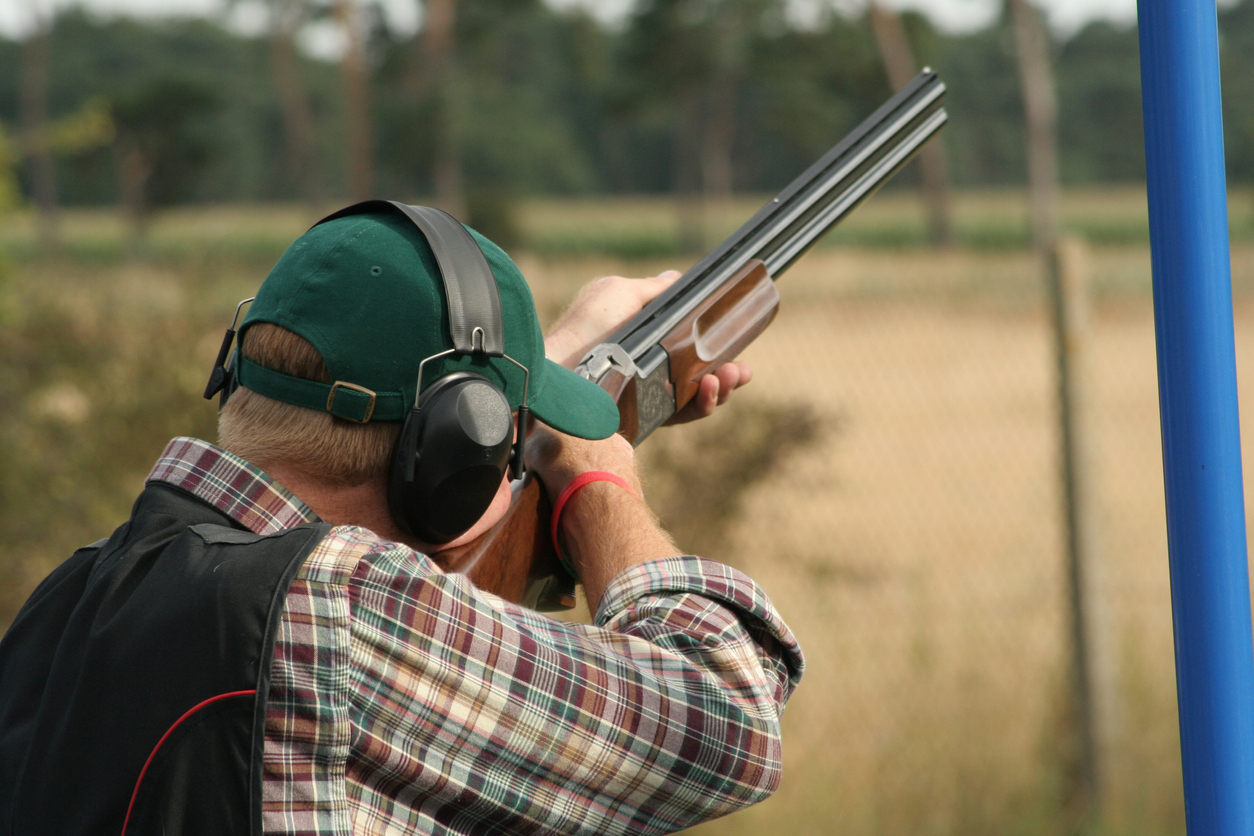
Shotgun sports are growing in popularity, especially in areas where shooting clubs are fielding youth teams. I grew up shooting shotguns and later competed on my university’s Trap and Skeet team, and I still shoot the occasional round of Sporting Clays. Many shotgun owners also use their guns for hunting, and shotguns are an effective home-defense firearm as well.
There are relatively few required accessories for shotgun owners. As with other firearms, you’ll need hearing and eye protection. If you’re planning to shoot clay targets, you may want to purchase a set of safety glasses with interchangeable lenses for shooting in varying light conditions. I prefer to use electronic ear plugs when I’m shooting shotgun because, unlike larger muffs, plugs don’t interfere with my gun mount. You’ll also want to purchase a gauge-specific gun-cleaning kit (although some universal shotgun-cleaning kits might contain the required accessories to clean shotguns of any gauge). A light layer of quality gun lubricant on moving parts will help keep your shotgun running smoothly.
Shotgun shells are sold for specific applications by charge and shot size. Shot size decreases as the shot number increases, so #4 shot is larger than #8 shot. Affordable target loads (usually #7 1/2 or #8 shot) are available for shooting clay targets or hunting small game, but for larger quarry, such as turkeys, you’ll need magnum loads. If you’re planning to hunt waterfowl or live in certain areas where lead shot is banned, you’ll need to purchase non-toxic shot. Steel is the cheapest and most available non-toxic shot option.
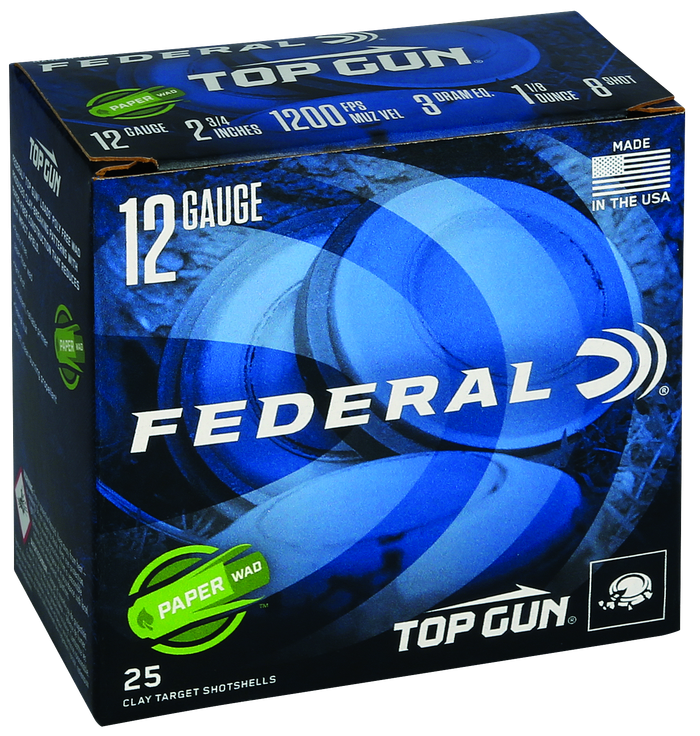
Other potential accessories include a shooting vest (to store all your extra shells) and a protective soft-sided gun case for transport. If you live in a rural area, you can purchase a mechanical clay target thrower and standard (108mm) clay targets, but if that’s not an option, you can join a shooting club.
Rifles
Owning a rifle means purchasing many of the same items you’d buy for a handgun or shotgun, and these include hearing and eye protection, a cleaning kit, and a soft firearm case for traveling. You’ll also need to purchase the appropriate ammunition for your rifle. As with other firearms, match the ammo to the intended application. For the popular 22 Long Rifle rimfire, most ammo will be lead round nose, either with or without surface plating, and it’s suitable for small game or target shooting. For more powerful centerfire cartridges, such as the 5.56 NATO, there will be more options for target, hunting, and self-defense applications.
Optics (scopes and red-dot sights) are becoming more popular on shotguns and handguns, but optics have been standard equipment on many rifles for years. In fact, many rifles aren’t even offered with traditional iron sights, so adding an optic is your only sighting option. Some rifles come with a scope already installed, and these package guns eliminate the need to individually mount an optic (though you may still have to sight-in, or “zero,” the scope). If you’re going to mount a scope on the rifle, you’ll need the scope, scope rings, bases, screws (which should be included with the bases and rings), and basic tools. If your rifle has a rail (also known as a Picatinny or Pic rail), you won’t need bases since there are scope rings that mount directly to the rail. Likewise, many red-dot sights (also called reflex sights) mount directly to the rifle’s rail. Targets are another important item, and these can be purchased or you can make your own from empty soda cans, expired fruit, or balloons. Just remember to be certain of your target and what lies beyond it.
You can customize your rifle with a new stock, new sights, an upgraded stock, or other accessories if you’d like, but as you can see, the basic requirements for shooting a rifle are few.
Conclusion
There are additional accessories that you may choose to purchase down the road—shooting rests or mats, gunsmithing tools, magazine pouches, and more—but you don’t need much to get started shooting. Odds are you’ll learn to enjoy shooting and will want to share the experience with friends and family. It’s possible you’ll shoot competitively someday or fill your freezer with wild game meat, but even if you remain a casual target shooter, that’s fine. Done properly, shooting is a safe, fun, and low-cost sport the whole family can enjoy.
FAQs
Q: Is hearing protection important during shooting, and if so, what type do I need?
A: Sound “loudness” is measured in decibels, and rimfire, centerfire, and shotgun ammunition all produce sounds above 140 decibels, which can permanently damage your hearing. To combat this, use hearing protection that is designed specifically for shooting. Modern electronic hearing protection allows you to hear normally, but blocks dangerous noises, so you can clearly hear instructions at the range.
Q: Do I need specific eye protection for shooting?
A: Yes. The American National Standards Institute (ANSI) has established certification criteria that ensure the eyewear is designed to protect the wearer from impact and trauma. Shooting glasses are typically ANSI Z87.1-certified, which means they offer the level of protection required when shooting firearms. You can purchase ANSI-certified eyewear for $10 or even less.
Q: Is it a good idea to store my handgun in a holster?
A: Though it almost certainly won’t cause any mechanical malfunctions, storing a pistol or revolver in a holster is generally not a good idea. Holsters—particularly leather holsters—can trap moisture, which can lead to corrosion, especially on blued finishes. It’s better to store your firearm in a gun vault or safe at home, where it is secure, and use the holster only while carrying the firearm.


